ACE Reviews — Authentication, Community & Experts: Bringing Transparency and Consumer Protection to Authentication, Powered by Authenticate Pro.
-
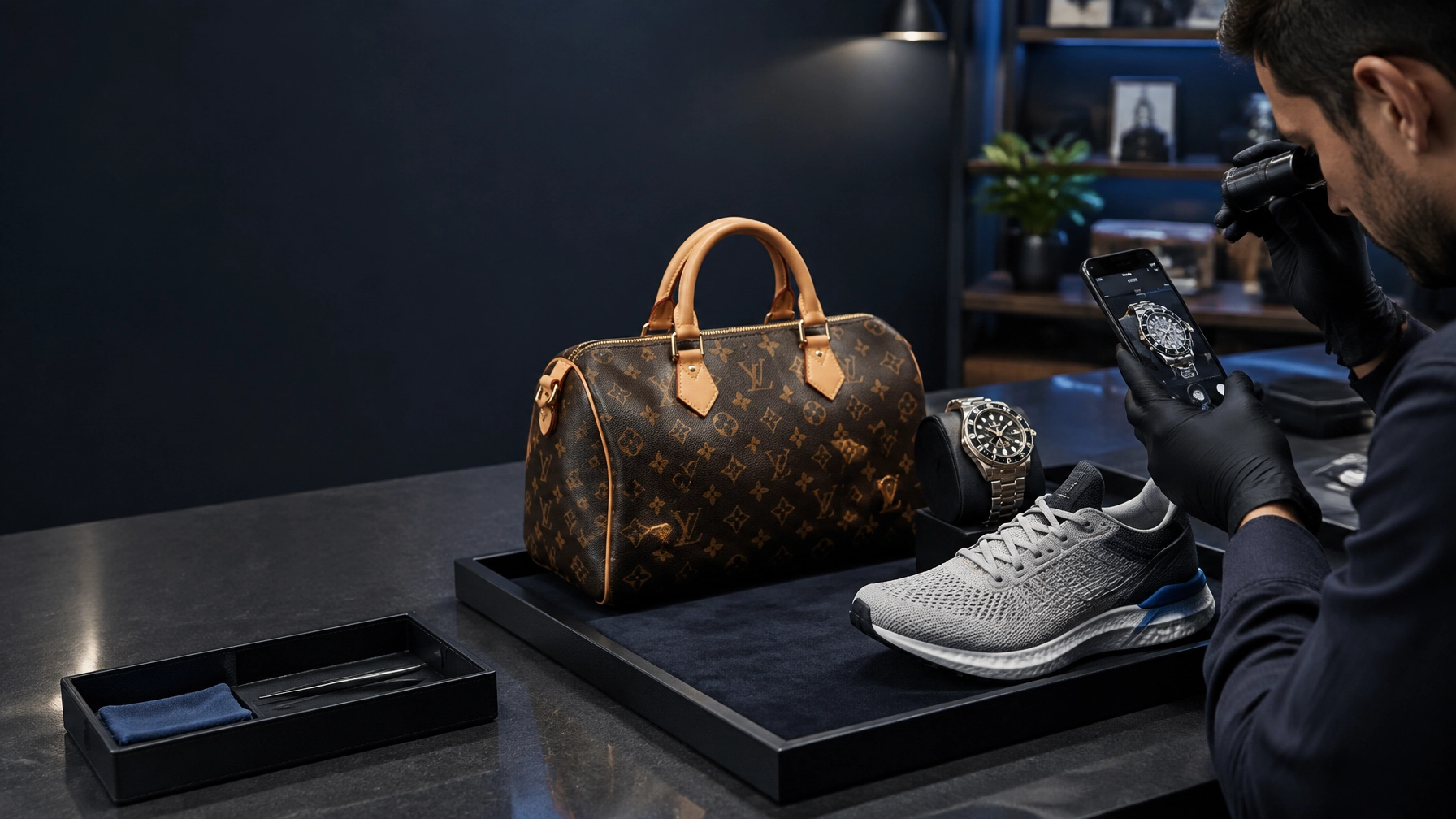
Pawn Shop Authentication 101: What to Look for When Louis Vuitton Walks In
A luxury item can create a strong margin, or a costly problem. For pawn shops, authentication is not a side task. It is part of intake, risk control, pricing, and customer service. One counterfeit handbag can mean lost revenue, chargebacks, damaged reputation, and difficult conversations with law enforcement or the original brand. How many times…
-

How to Train Your Staff to Spot a Fake in Under 60 Seconds
How many times a week does a customer ask, “Is this real?” For resale stores, pawn shops, thrift stores, and TikTok sellers, the answer can affect more than one transaction. A counterfeit can lead to: Lost revenue Customer complaints and returns Damaged store reputation Staff confusion A costly mistake on a high-value item Your front-counter…
-

Why “We Don’t Sell Fakes” Isn’t a Strategy. It’s a Liability
How many times a week does a customer ask, “Is this real?” If the answer is, “We only sell authentic items,” that is not an authentication policy. It is a promise without a process. For resale shops, pawn shops, consignment stores, and online sellers, that gap creates real exposure. One counterfeit handbag, watch, sneaker, or…
-

How to Authenticate Luxury Items Online Without Leaving Your Living Room
Buying and selling luxury items online is convenient. It is also risky. A designer handbag, sneaker, watch, or accessory can look convincing in a listing photo and still be a counterfeit. Superfakes are built to pass casual inspections. A wrong font, inconsistent stitching pattern, incorrect hardware engraving, or mismatched production detail may be the only…
-

The Real Cost of a Fake: What Happens When You Sell a Counterfeit by Accident
How many times a week does a customer ask, “Is this real?” For pawn shops, thrift stores, consignment businesses, and resale stores, the question is more than a sales objection. It points to a serious business risk. One counterfeit item can create: A refund or chargeback Lost inventory and lost revenue A damaged customer relationship…
-

Authentication as a Marketing Tool: How to Charge More When You Can Prove It’s Real
How many times a week does a customer ask, “Is this real?” For resale stores, pawn shops, and online thrifters, that question is not a delay. It is a buying signal. The customer is interested. They are also managing risk. A professional authentication process gives you a direct way to answer with evidence, not guesswork.…
-
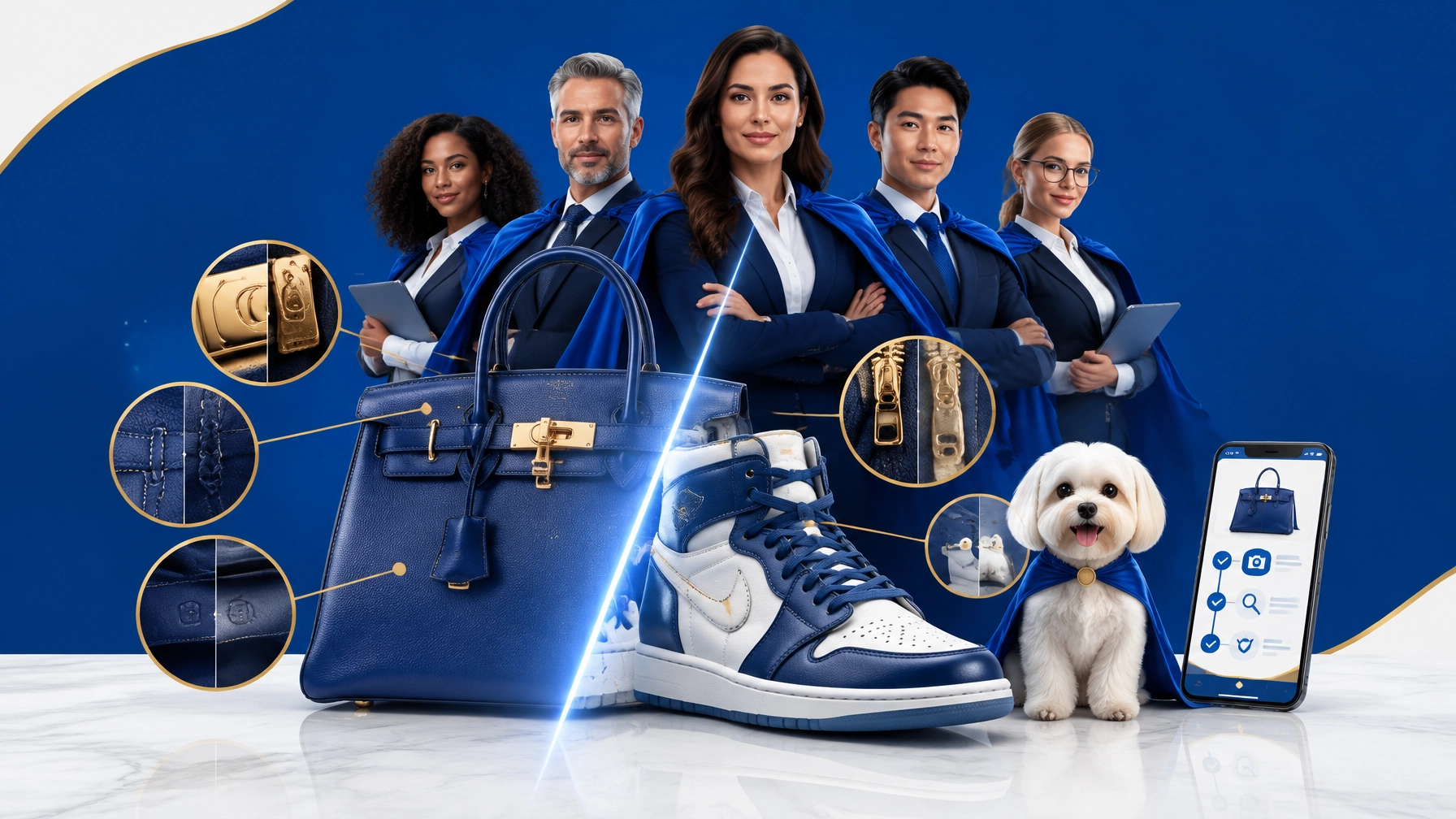
Superfakes Are Getting Scary Good, Here’s How to Stay Ahead in 2026
How many times a week does a customer ask, “Is this real?” For resale stores, pawn shops, online thrifters, and sneaker sellers, that question is no longer answered by a quick glance at the logo or a familiar serial number. In 2026, counterfeiters are working with better materials, better reference photos, better manufacturing equipment, and…
-

The Most Commonly Faked Items at Pawn Shops (and How to Catch Them)
How many times a week does a customer ask, “Is this real?” For pawn shops, the risk is not limited to one category. Counterfeit luxury items move through every part of the resale market. Some are obvious. Others are superfakes built to pass a quick visual inspection. A bad intake can mean: Lost loan or…
-

Why “We Don’t Sell Fakes” Isn’t a Strategy. It’s a Liability
How many times a week does your customer ask, “Is this real?” If you run a resale store, pawn shop, thrift shop, or online luxury business, you already know the answer: often. Your response matters. “We don’t sell fakes” sounds reassuring. It may even be true. But it is not a counterfeit-control process. It is…
-
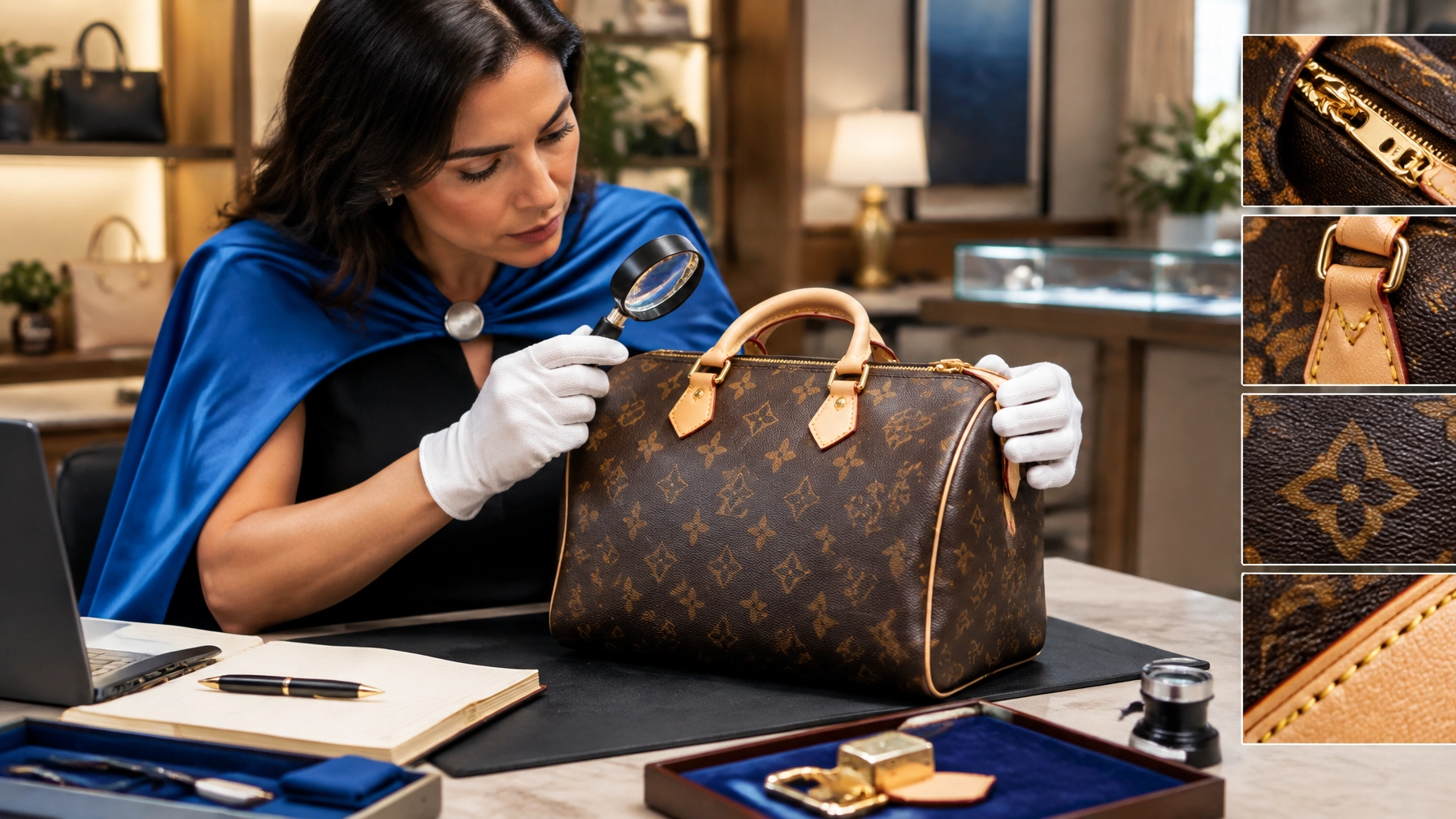
Pawn Shop Authentication 101: What to Look for When Louis Vuitton Walks In
A Louis Vuitton bag can represent a strong resale opportunity, or a costly counterfeit problem. The difference often comes down to what happens during intake. How many times a week does a customer ask, “Is this real?” Your team needs a consistent answer. Not a guess. Not a decision based only on a date code.…
Got any book recommendations?